In this episode of Greenberg Traurig’s Immigration Insights podcast series, host Kate Kalmykov is joined by GT colleague and Tax Practice Shareholder, Erez Tucner, to explore the intersection of U.S. immigration and tax considerations for high-net-worth individuals. They discuss the implications of U.S. tax residency, strategies for tax planning before moving to the…

Pursuing U.S. citizenship is a pivotal step for permanent residents, particularly those seeking long-term opportunities in the United States. U.S. citizenship offers enhanced benefits and protections beyond what is available to permanent residents.

To obtain U.S. citizenship, permanent residents must meet certain residency and physical presence requirements. For EB-5 investors and their derivative beneficiaries, meeting…

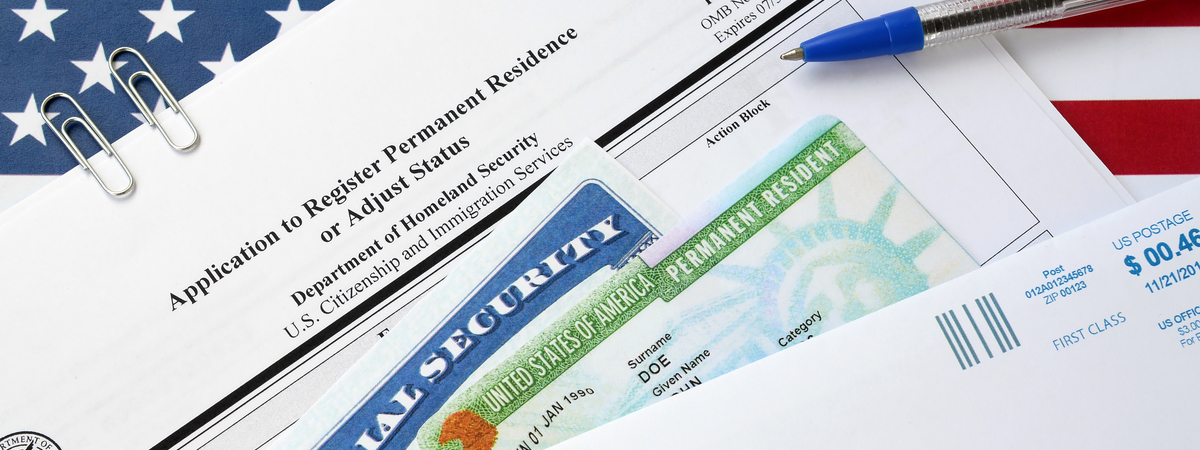
Effective Sept. 26, 2022, USCIS is automatically extending the validity of Permanent Resident Cards (also known as Green Cards) from 12 months to 24 months for lawful permanent residents who file Form I-90, Application to Replace Permanent Resident Card.

USCIS has updated the language on Form I-90 receipt notices to extend the validity of a…

On Aug. 12, 2021, U.S. Citizenship and Immigration Services (USCIS) announced that it will extend the validity period of Form I-693, Report of Medical Examination and Vaccination Record, to four years. Previously valid for two years, Form I-693 is receiving this extension from USCIS in response to extensive COVID-19-related processing delays, which have adversely impacted…

On Aug. 28, 2019, U.S. Citizenship and Immigration Services (USCIS) issued new policy guidance “to address requirements for ‘residence’ in statutory provisions related to citizenship, and to rescind previous guidance regarding children of U.S. government employees and members of the U.S. armed forces employed or stationed outside the United States.” USCIS has updated its Policy Manual to clarify the distinction between residence and physical presence in the United States and to clarify that short visits to the United States do not establish residence as well as to state that children of U.S. government employees and U.S. armed forces members residing outside the United States are no longer considered to be “residing in the United States” for purposes of acquiring citizenship under INA 320. This policy will become effective Oct. 29, 2019. 
Continue Reading Friendly Fire: USCIS Deploys New Definition of ‘Residence’ in Statutory Provisions Related to Citizenship